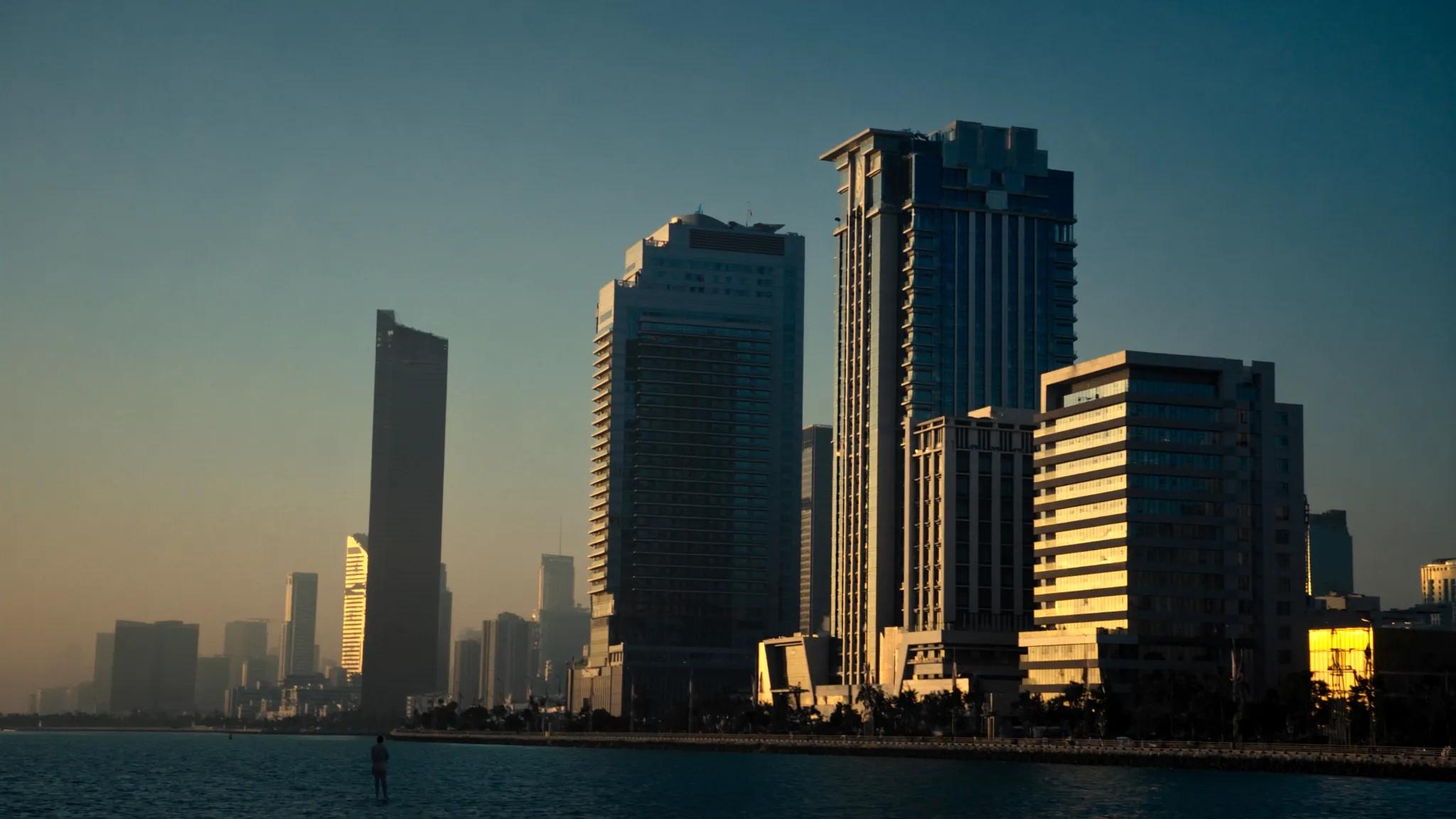
Getting the keys to a UAE home is the easy part. Living in it requires a small stack of activations: electricity and water from the emirate’s utility, possibly district cooling from a separate provider, maybe piped gas, an internet connection from one of the licensed telecoms, and the municipality charges that ride along with your utility bill. None of it is difficult, all of it is procedural, and doing it in the right order saves you days of waiting in an apartment without air conditioning.
This guide maps the full utilities landscape for a newcomer: who provides what in each emirate, what documents you need before anyone will open an account, how deposits and connection charges work, the district cooling bill that surprises almost everyone, and how internet installation actually goes. Fees, deposit amounts and package prices change regularly, so treat every figure-shaped statement here the same way: the mechanism is stable, confirm the current amount with the provider before you budget.
Reading as a guest. A free account unlocks every section, saved searches and 2 AI Copilot questions a day.
Create free accountKey takeaways
- Each emirate has its own electricity and water authority: DEWA in Dubai, SEWA in Sharjah, the Abu Dhabi distribution companies, and Etihad Water and Electricity across much of the rest of the country.
- You cannot activate utilities without proof of your right to occupy: a registered tenancy (Ejari in Dubai) or your title deed, plus Emirates ID or passport.
- Expect a refundable security deposit and activation fee, with different deposit levels for apartments and villas, confirm current amounts with the utility.
- District cooling is a separate account with its own deposit and charges in many towers and master communities, ask about it before you sign the lease or buy.
- Internet comes from two main licensed providers, and many buildings are wired for only one of them, check availability for your exact building before choosing a plan.
The utilities map: who provides what, where
Electricity and water in the UAE are provided by emirate-level authorities, and which one you deal with is decided entirely by where your home is. In Dubai it is the Dubai Electricity and Water Authority, DEWA. In Sharjah it is the Sharjah Electricity, Water and Gas Authority, SEWA. In Abu Dhabi, distribution is handled by the emirate’s distribution companies. Across much of the Northern Emirates, Etihad Water and Electricity serves the role. Same job, different portals, different paperwork details.
Around that core sit the other services: district cooling companies where the building or community uses centralised chilled water for air conditioning, gas suppliers where there is piped gas or bottled cylinders, the licensed telecoms for internet and TV, and the municipality fees that are billed through your utility account in several emirates. The rest of this guide takes them in the order you will actually need them.
Before you apply: the documents everyone asks for
Every provider needs to know two things: who you are and what right you have to occupy the property. For identity, that means your Emirates ID, or passport details while your residency is in process. For occupancy, tenants need the registered tenancy contract, in Dubai that means Ejari, the mandatory registration of your lease, and owners need the title deed. Utilities in Dubai are effectively gated on Ejari: register the tenancy first, then everything else unlocks.
This ordering matters for move-in planning. The chain is: sign lease, register Ejari (typically arranged with your agent or online), then apply for electricity and water, then district cooling if applicable, then book internet installation. Each step feeds the next, and the internet appointment usually has the longest lead time, so start the chain the day you sign, not the day you move.
Activating electricity and water
Activation itself is one of the smoothest government-adjacent processes in the country. In Dubai, DEWA move-in applications are made online or through the app, with your Ejari or title deed and identity documents, payment of the deposit and fees, and activation typically following quickly for standard cases, often the same or next working day for an apartment with existing connections. Other emirates’ authorities run equivalent processes through their own channels.
During the application you will register the premise number that identifies your specific unit, DEWA premises carry a unique number you can find in the building or ask your landlord for. Once active, set up the app, register for auto-payment or reminders, and take a photograph of the meter reading on day one alongside the condition photos you take for your landlord. Utilities disputes are rare, but a dated day-one reading costs nothing.
Deposits and activation fees: what to expect
Expect two kinds of upfront cost. First, a refundable security deposit, held by the utility against your final bill, with different standard amounts for apartments and villas, villas run higher because consumption does. Second, non-refundable activation or connection charges. The exact amounts change and vary by emirate, confirm the current figures on the provider’s official site before you budget, and keep the deposit receipt: it comes back to you at move-out once the final bill is settled.
Tenants moving within the same emirate can often transfer service between premises rather than closing and reopening accounts, which simplifies the deposit handling. And if you are a landlord between tenants, note that the account reverts to you in practice: many owners keep a minimal account active between leases so the property shows well.
The housing fee and municipality charges on your bill
Study your first bill and you will find more than electricity and water on it. In Dubai, a municipality housing fee is charged to occupants, calculated as a percentage of the annual rent and billed in monthly instalments through the DEWA account. Owners who occupy their property are assessed on a rental-value basis. Other emirates apply their own municipality fees and mechanisms, often collected through the utility bill or the tenancy process.
The practical point is budgeting: your monthly DEWA bill is consumption plus the housing fee plus any other line items, so the true monthly cost of a home is meaningfully higher than the electricity estimate alone. Confirm the current housing fee rate and mechanism with Dubai Municipality or your emirate’s equivalent, and factor it in when comparing homes at different rents.
District cooling: the bill many newcomers miss
In many towers and master communities, air conditioning is not powered through your electricity meter but delivered as chilled water by a district cooling provider, and that means a separate account, a separate deposit and a separate monthly bill. District cooling charges typically have two components: a consumption charge for what you actually use, and fixed capacity or demand charges that you pay regardless of usage because capacity is reserved for your unit.
Ask one question before you sign any lease or purchase in a tower: how is cooling provided and billed here. If the answer is district cooling, ask for the provider’s name, typical monthly costs in that building across summer and winter, and who pays the fixed charges, in some leases landlords cover capacity charges and tenants pay consumption, in others tenants pay everything. Getting this clear up front prevents the most common utilities surprise in the UAE, and the numbers vary enough between buildings to genuinely affect which home is cheaper to live in.
Gas: piped systems and cylinders
Cooking gas arrives three ways in the UAE: some buildings and communities have centralised piped gas with its own provider, account and deposit, some homes use bottled gas cylinders supplied and exchanged by local distributors, and many newer apartments are all-electric with no gas at all. Check which category your home falls into before you buy cookware, quite literally: an all-electric kitchen may have an induction hob that needs compatible pans.
For piped gas, registration mirrors the utilities process: identity, tenancy or deed, deposit, activation. For cylinders, arrangements are simpler and local. In all cases, use licensed providers, have connections made by professionals rather than improvised, and if you smell gas, ventilate, avoid switches and flames, and call the provider’s emergency line. Mundane advice, and the kind that only matters completely.
Internet and TV: providers, availability and installation
Home internet and TV come from the UAE’s licensed telecom providers, with two main operators serving the residential market: etisalat by e& and du. The single most important thing a newcomer should know is that availability is decided by the building, not by you: many buildings are wired for one provider only, while others offer both. Check availability for your exact building on the providers’ sites or by asking building management before you compare packages.
Once you know your options, choose a plan and book installation, which requires your Emirates ID and typically an appointment window a few days out, longer in peak moving seasons. Packages bundle home internet with TV and landline in various combinations, contract terms and prices change often, confirm current offers directly. If you need connectivity from literally day one, a mobile data package or a home wireless option can bridge the gap while you wait for the fixed-line appointment.
Budgeting: seasonality is the whole story
UAE utility bills are seasonal in a way many newcomers have never experienced, because air conditioning dominates consumption. Summer electricity or cooling bills can be a multiple of winter ones for the same household in the same home, and the swing is largest in villas and older, less insulated buildings. Any budget built on your first mild-season bill will be wrong by summer.
Sensible tactics: ask the landlord, the previous tenant or building management what the unit actually costs to run across the year, set your own expectations around the summer number, and use the utilities’ consumption tools and app dashboards to watch usage in your first months. Small habits, sensible thermostat settings, servicing AC filters, closing blinds against the afternoon sun, move these bills more than any tariff detail.
Moving out: closing accounts and recovering deposits
The process runs in reverse when you leave. Apply for move-out or account closure with your utility, settle the final bill, and the security deposit is refunded through the channel you choose or the one the provider uses by default. District cooling and gas accounts close the same way, each with its own final reading and settlement. Telecom contracts deserve attention before their end: check notice periods and any early-termination charges if you are inside a contract term.
Time it deliberately. Landlords and agents will want proof that utility accounts are settled before releasing your security deposit on the tenancy itself, and your move-out inspection goes more smoothly with the paperwork done. Keep the final bills and refund confirmations with your tenancy file until every deposit, utility and landlord alike, is back in your account.
Owners vs tenants: small differences that matter
The processes are near-identical, but a few differences deserve an owner’s attention. Owners register with the title deed rather than Ejari, pay the owner-occupier version of municipality fees where applicable, and carry the relationship with the district cooling provider in many buildings, including capacity charges that exist whether or not the unit is occupied. Landlords letting a unit should be explicit in the lease about which utility responsibilities transfer to the tenant, especially cooling capacity charges, chiller-free versus chiller-paid is a genuine pricing point in the rental market.
Buyers should ask about utilities before transfer, not after: whether any amounts are outstanding on the unit’s accounts, what the cooling arrangements and typical bills look like, and what deposits will need to be established fresh. These are small questions with small answers, and asking them is the difference between a smooth first week and a warm one.
How Diyarat helps
Utilities are part of the true cost of a home, and true cost is Diyarat’s territory. When you compare two apartments at similar rents or prices, the cooling arrangement, the building’s age and efficiency, and the emirate’s fee structure can move the real monthly cost meaningfully, ask the questions in this guide as part of your comparison, not after your decision.
Diyarat’s area and building pages, built on registered DLD transactions, help you get the biggest number right: what the home itself should cost. Get that right with data, get the utilities right with this checklist, and your first month in the UAE will be about living here, not administering it.
Frequently asked questions
What do I need before I can activate DEWA in Dubai?
Proof of identity (Emirates ID, or passport while residency is processing) and proof of occupancy: a registered Ejari tenancy for tenants or the title deed for owners. Apply online or in the app, pay the deposit and fees, and activation is typically fast for standard move-ins.
How much is the utilities security deposit?
Utilities charge a refundable security deposit with different standard levels for apartments and villas, plus activation fees. Amounts change and vary by emirate, confirm the current figures on your utility’s official website before budgeting.
What is district cooling and will I have to pay for it?
In many towers and master communities, air conditioning is delivered as chilled water by a dedicated provider and billed separately, usually with consumption charges plus fixed capacity charges. Ask how cooling is provided and billed in any building before you commit, and clarify in a lease who pays which component.
Can I choose between internet providers?
Sometimes. The residential market is served mainly by etisalat by e& and du, but availability depends on how your building is wired, many buildings support only one provider. Check availability for your exact building before comparing packages.
Why is my summer bill so much higher than winter?
Air conditioning dominates UAE household consumption, so bills swing seasonally, summer can be a multiple of winter for the same home. Budget around the summer number, and ask what the unit historically costs to run across the year.
What is the housing fee on my Dubai bill?
Dubai charges occupants a municipality housing fee calculated as a percentage of annual rent, billed monthly through the DEWA account. Confirm the current rate and mechanism with Dubai Municipality, and include it when comparing the true cost of homes.
Sponsored
Sponsor the guides. Your brand at the end of every English and Arabic guide article.
Visit Sponsor the guidesThis guide is general education, not legal, tax or financial advice. UAE rules, fees and thresholds change, confirm current figures with the Dubai Land Department (DLD), RERA, the ICP or a licensed professional before you act.
Keep reading