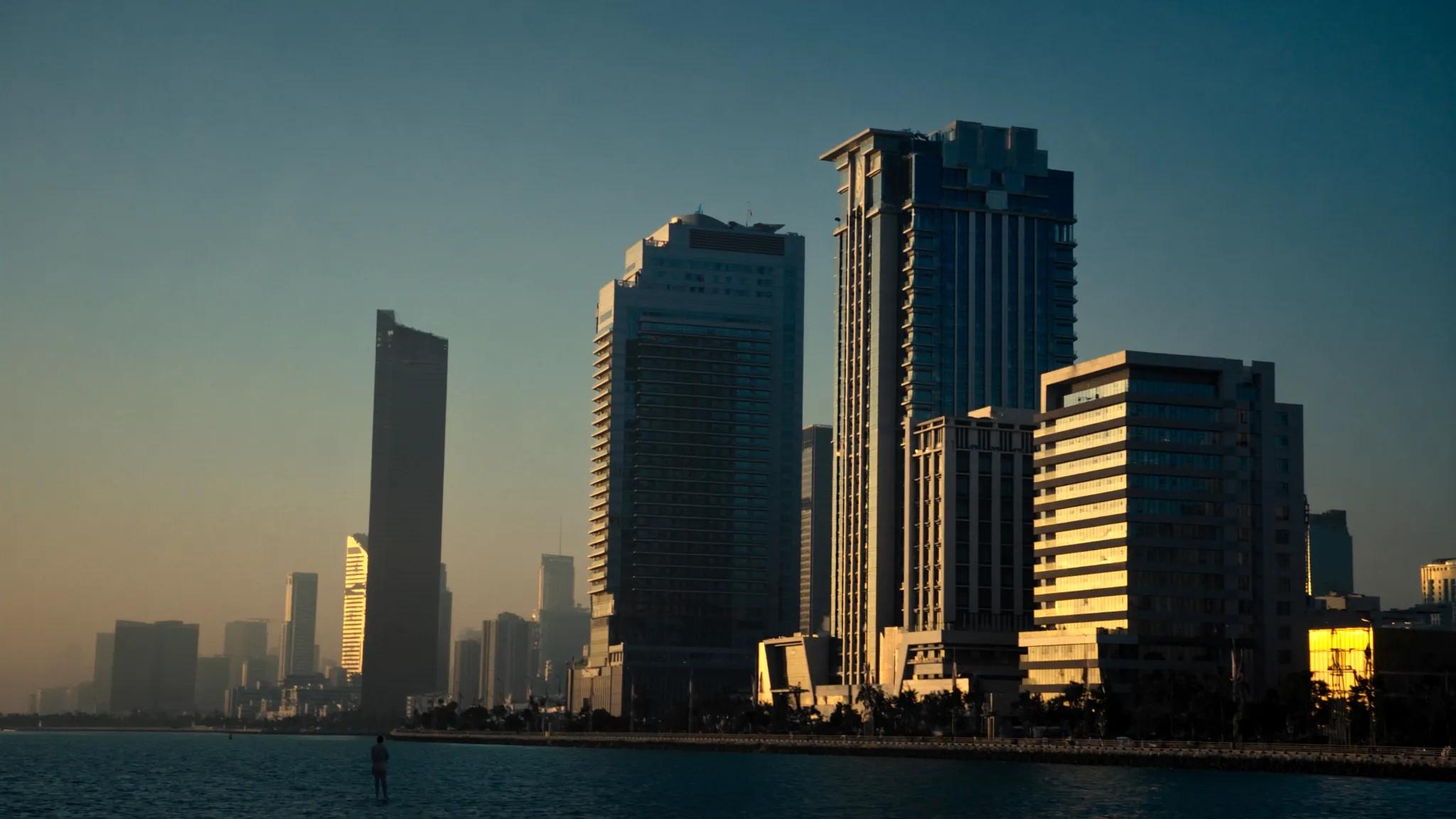
Dubai is one of the most open property markets in the world for foreign buyers. Since the early 2000s, non-UAE nationals have been able to own homes outright in designated parts of the city, and the process is now well established, digitised and, compared with many markets, fast. That openness is exactly why doing your homework matters: a liquid, fast-moving market rewards buyers who understand the rules, the costs and the paperwork before they commit.
This guide walks through the whole journey from the perspective of a foreign buyer: whether you can own, what kind of ownership you are getting, the difference between ready and off-plan homes, the step-by-step transfer process at the Dubai Land Department (DLD), the money you need to budget beyond the price, and the due diligence that protects you. It is deliberately practical and deliberately honest, where a number changes over time, we tell you to confirm it rather than pretend it is fixed forever.
Reading as a guest. A free account unlocks every section, saved searches and 2 AI Copilot questions a day.
Create free accountKey takeaways
- Foreign nationals can own property outright (freehold) in Dubai’s designated freehold areas; elsewhere ownership may be leasehold or restricted.
- Every legitimate Dubai transaction is registered with the Dubai Land Department (DLD); a title deed (ready) or Oqood registration (off-plan) is your proof of ownership.
- Budget well beyond the sticker price: the DLD transfer fee, agency commission, trustee/registration fees and (if financing) mortgage costs all add up.
- Off-plan and ready homes carry very different risk profiles, payment structures and timelines, choose based on your goal, not just the headline price.
- Due diligence, the Trakheesi permit on the listing, the developer’s track record, service charges, and real DLD comparable prices, is what separates a good purchase from an expensive lesson.
Can foreigners actually buy property in Dubai?
Yes. Dubai formally opened property ownership to foreign nationals in designated areas in the early 2000s, and the framework was consolidated in the emirate’s real-estate registration law. In practice this means there are specific master communities and districts, the "freehold areas", where anyone, regardless of nationality or residency status, can buy and hold property in their own name. You do not need to be a UAE resident to buy, and you do not need a local partner.
The important nuance is location. Freehold ownership for foreigners applies to designated zones, not the entire emirate. Outside those zones, property may be leasehold (a long-term lease, often up to 99 years) or reserved for UAE and GCC nationals. Before you fall in love with a specific building, confirm that the exact address sits in a freehold area and that the ownership type on offer is what you think it is. A licensed broker or the DLD can confirm the status of any specific project.
This is also where Diyarat’s data helps: the area and building pages are built on registered DLD transactions, so you are looking at what genuinely trades in a location rather than a marketing brochure.
Freehold, leasehold and usufruct, know what you are buying
Ownership in Dubai is not a single thing. The three you will encounter most are freehold, leasehold and usufruct, and the differences affect your rights, your resale options and your financing.
- Freehold: you own the property and the land it sits on outright, in perpetuity, and your name is on the title deed at the DLD. You can sell, lease, renovate (within community rules) and pass it on. This is what most foreign buyers are seeking.
- Leasehold: you hold the right to use the property for a fixed long term (commonly up to 99 years) without owning the land. Leasehold can be perfectly sensible, but understand the remaining term, renewal rights and what happens at expiry.
- Usufruct / musataha: rights to use or develop a property for a defined period. These are more common in commercial and specific community contexts; read the exact terms carefully.
Ready vs off-plan: two very different purchases
A "ready" (or secondary-market) home is one that exists today, you can view it, it usually generates rent immediately, and you take ownership on completion of the transfer. An "off-plan" home is bought from a developer before or during construction, typically on a payment plan, with handover at a future date.
Ready property gives you certainty: you see the actual unit, the building, the service charges and the community, and you can hold real DLD comparable prices against the asking price. Off-plan can offer staged payment plans, a lower entry point and exposure to a new community, but it introduces construction risk, delivery-timeline risk and market risk between purchase and handover. Neither is "better", they suit different goals and risk appetites. If you want a detailed treatment, see the off-plan guide linked below.
The step-by-step buying process
For a ready (secondary-market) purchase, the transaction follows a well-worn path. The exact order can vary slightly by developer and whether a mortgage is involved, but the shape is consistent:
- Agree terms and sign a sale agreement (commonly the standard "Form F" / Memorandum of Understanding available through the DLD’s systems), and pay a deposit, often around 10%, usually held by the broker or a registration trustee.
- If you are financing, obtain final mortgage approval from your bank; the bank will typically require a valuation of the property.
- Obtain a No Objection Certificate (NOC) from the developer or master community, confirming service charges are settled and there is no objection to the transfer.
- Complete the transfer at a DLD-approved registration trustee office, where the balance is paid (often by manager’s cheque), fees are settled, and the title deed is issued in your name.
- For off-plan, you sign the developer’s Sale and Purchase Agreement (SPA), pay according to the payment plan, and the interim ownership is recorded via Oqood until the project completes and a title deed is issued.
Paying cash or taking a mortgage
Both residents and, in many cases, non-residents can obtain mortgages from UAE banks, though terms differ. Financing is regulated by the UAE Central Bank, which sets maximum loan-to-value (LTV) ratios, and by each lender’s own criteria. The maximum you can borrow depends on the property value, whether it is your first property, your residency status and your income profile, and these caps are periodically updated, so confirm the current LTV limits with your bank rather than relying on a figure you read online.
Cash purchases are simpler and faster and avoid mortgage registration and arrangement costs, but they tie up capital. A mortgage lets you deploy capital across more assets and can improve cash-on-cash return, at the cost of interest and the bank’s registration fee (a percentage of the loan registered at the DLD). Whichever route you choose, get your financing certainty in place before you sign, a deposit is at risk if you cannot complete.
The costs beyond the price
The single most common mistake first-time buyers make is budgeting only for the purchase price. Dubai’s transaction costs are transparent but real, and you should assume a meaningful percentage on top of the price. The main components are the DLD transfer fee (a percentage of the property value), the real-estate agency commission, the registration trustee’s fee, and, if you finance, a mortgage registration fee and bank arrangement costs.
On top of one-off transaction costs, factor in ongoing service charges (annual community and building maintenance fees, charged per square foot and varying widely by building) and, if you rent the property out, tenancy registration and management costs. Because the exact fee percentages and admin charges are set by the authorities and can change, treat any specific figure as something to confirm at the point of purchase. Our dedicated costs-and-fees guide breaks the components down in detail.
Due diligence that actually protects you
Dubai’s market is well regulated, but regulation does not remove your responsibility to check. A disciplined buyer verifies the listing, the seller, the building and the price before parting with a deposit.
- Listing legitimacy: every legitimate Dubai listing should carry a Trakheesi permit number issued through the DLD’s systems. A missing or invalid permit is a red flag.
- The building and community: check the service-charge history, the state of the building, the developer’s reputation and, for off-plan, the project’s registration and escrow status.
- The price: compare the asking price against real, recent DLD transactions for the same building, size and type, not against other asking prices. This is precisely what Diyarat’s Fair Price™ signal and the transaction tables on each area and building page are for.
- The paperwork: confirm the title deed (ready) or Oqood (off-plan), the NOC, and that service charges are settled before transfer.
What happens after you buy
Once the transfer completes, the DLD issues your title deed, your definitive proof of ownership. Keep it safe; you will need it to sell, to register a tenancy if you let the property, and for various government processes.
If you intend to rent the home out, the tenancy must be registered (in Dubai, through the Ejari system), and you will take on the landlord’s responsibilities and the property’s service charges. Owning property above a certain value may also make you eligible to apply for a long-term residence visa (the "Golden Visa"), the property route and its current threshold are covered in our Golden Visa guide. As with every figure in this space, confirm the current eligibility rules with the ICP or DLD before relying on them.
Common mistakes foreign buyers make
Most costly mistakes in Dubai property are avoidable and repetitive. The first is budgeting only for the price and being caught out by transaction costs at the trustee office. The second is anchoring to asking prices instead of registered sale prices, asking prices reflect hope, registered transactions reflect reality. The third is skipping the service-charge check: two similar apartments can carry very different annual running costs, and a high service charge quietly erodes both yield and resale appeal.
A fourth mistake is rushing into off-plan on the strength of a render and a payment plan without examining the developer’s delivery history. A fifth is paying a deposit before financing is genuinely confirmed, putting that deposit at risk if the mortgage falls through. And a sixth, subtler one, is buying purely to clear a visa threshold or chase a headline yield without asking whether the specific home is well priced for what it is. Each of these is solved by the same discipline: verify the permit, verify the price against real DLD comparables, verify the running costs, and confirm your financing before you commit a dirham.
How Diyarat helps you buy with confidence
Diyarat is built to answer the one question a portal usually cannot: not "which home is cheapest" but "which home is the better decision." Every area and building page is grounded in registered DLD transactions, so you can see what genuinely trades, median price per square foot, recent deals, and the direction the market is moving, rather than a wall of asking prices.
Before you make an offer, use the Fair Price™ signal to benchmark an asking price against real comparable sales, check the building’s transaction depth, and read the honest market context for the area. If the data is thin, we say so rather than inventing a number. That is the whole point: a purchase this large deserves evidence, not vibes.
Frequently asked questions
Do I need to be a UAE resident to buy property in Dubai?
No. Foreign nationals can buy in Dubai’s designated freehold areas without being residents. Buying property may, however, help you qualify for a residence visa depending on the value and current rules.
Is my ownership genuinely secure as a foreigner?
In freehold areas, yes, your name is registered on the title deed at the Dubai Land Department, which is the government registry of ownership. Confirm the freehold status of your specific address before buying.
How long does the buying process take?
A ready (secondary-market) cash purchase can complete in a few weeks once terms are agreed and the NOC is issued; a mortgage adds time for approval and valuation. Off-plan follows the developer’s construction and payment timeline.
What is a Trakheesi permit and why does it matter?
It is the advertising permit number a legitimate Dubai listing carries, issued through the DLD’s systems. It signals the listing is authorised. Treat listings without a valid permit with caution.
Can foreigners get a mortgage in the UAE?
Often yes, including some non-residents, subject to UAE Central Bank loan-to-value caps and each lender’s criteria. Confirm current limits and your eligibility directly with a bank.
Sponsored
Sponsor the guides. Your brand at the end of every English and Arabic guide article.
Visit Sponsor the guidesThis guide is general education, not legal, tax or financial advice. UAE rules, fees and thresholds change, confirm current figures with the Dubai Land Department (DLD), RERA, the ICP or a licensed professional before you act.
Keep reading